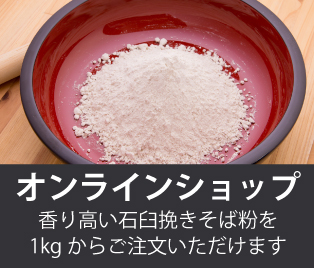
Soba (buckwheat noodles) is more than a traditional Japanese food—it is a nutritious and balanced choice for everyday meals. Made primarily from buckwheat, soba offers a variety of health benefits while delivering a distinctive, earthy flavor.
1. Naturally Gluten-Free*
Buckwheat itself does not contain gluten, making it suitable for people who are sensitive to gluten.
*Please note: Some commercial soba noodles may contain wheat flour. Always check the label if you require a strictly gluten-free product.
2. Rich in Dietary Fiber
Buckwheat is a good source of fiber, which supports healthy digestion and helps maintain stable blood sugar levels. Fiber also promotes a feeling of fullness, making soba a satisfying meal option.
3. Supports Heart Health
Buckwheat contains rutin, a natural antioxidant that helps support healthy blood circulation and blood vessel function. Studies suggest that buckwheat consumption may contribute to improved cholesterol balance and overall cardiovascular health.
4. Provides Essential Nutrients
Buckwheat is rich in important minerals such as:
Magnesium – supports muscle and nerve function
Iron – contributes to oxygen transport in the body
Zinc – supports immune health
It also contains plant-based protein with a well-balanced amino acid profile.
Using Buckwheat Flour in Everyday Cooking
Buckwheat flour can be used as a nutritious alternative to refined wheat flour. It adds a rich aroma and deeper flavor to a wide range of dishes.
Pancakes and baked goods
Noodles and pasta
Crepes and savory wraps
Traditional soba noodles
Compared to refined white flour, buckwheat flour offers higher nutritional value and beneficial plant compounds, making it an excellent choice for health-conscious cooking.
Enjoy the taste and benefits of soba—where tradition meets nutrition.
Soba (buckwheat noodles) is more than a traditional Japanese food—it is a nutritious and balanced choice for everyday meals. Made primarily from buckwheat, soba offers a variety of health benefits while delivering a distinctive, earthy flavor.
1. Naturally Gluten-Free*
Buckwheat itself does not contain gluten, making it suitable for people who are sensitive to gluten.
*Please note: Some commercial soba noodles may contain wheat flour. Always check the label if you require a strictly gluten-free product.
2. Rich in Dietary Fiber
Buckwheat is a good source of fiber, which supports healthy digestion and helps maintain stable blood sugar levels. Fiber also promotes a feeling of fullness, making soba a satisfying meal option.
3. Supports Heart Health
Buckwheat contains rutin, a natural antioxidant that helps support healthy blood circulation and blood vessel function. Studies suggest that buckwheat consumption may contribute to improved cholesterol balance and overall cardiovascular health.
4. Provides Essential Nutrients
Buckwheat is rich in important minerals such as:
It also contains plant-based protein with a well-balanced amino acid profile.
Using Buckwheat Flour in Everyday Cooking
Buckwheat flour can be used as a nutritious alternative to refined wheat flour. It adds a rich aroma and deeper flavor to a wide range of dishes.
Compared to refined white flour, buckwheat flour offers higher nutritional value and beneficial plant compounds, making it an excellent choice for health-conscious cooking.
Enjoy the taste and benefits of soba—where tradition meets nutrition.